
ICSA Sectors
Beef Sector
The Irish Cattle and Sheep Farmers’ Association has a huge membership base in the beef sector and works hard to represent beef farmers and their interests both in Ireland and at EU level.
We in ICSA are keen to see the office of the newly established AgriFood Regulator prove its value in delivering transparency along the food chain. ICSA has been the driving force behind the establishment of a regulator since we first met Phil Hogan on his appointment as EU Commissioner in 2014. It has been a long road since then but the time for transparency has arrived. It is incumbent now for the office of the regulator to shine a light on who is making what along the food chain and to provide answers as to why the beef and lamb food chains are not delivering a fair price to the primary producer.
The awarding of PGI status for Irish grass fed beef is another positive but it too must prove its worth. For this designation to be deemed a success it must translate into financial rewards for primary producers of Irish grass fed beef.
ICSA continues to challenge processors regarding key issues such as weight and age restrictions as well as the movement of cattle. On your behalf ICSA challenges all deductions from your factory cheque, be it penalties, insurance, post-mortem contingency charges or levies. Remember, ICSA takes no levies.
ICSA is demanding protection of our valuable live exports and that Government would increase their efforts to secure new markets for live exports.
ICSA is committed to defending the Irish beef industry from the looming threats of international trade deals. ICSA has made it clear in Brussels that the Irish beef sector is very vulnerable. Farmers cannot be expected to compete with lower standard produce from outside the EU flooding the market. This is particularly true of vast quantities of South American beef entering the EU on the back of trade deals such as Mercosur.
.
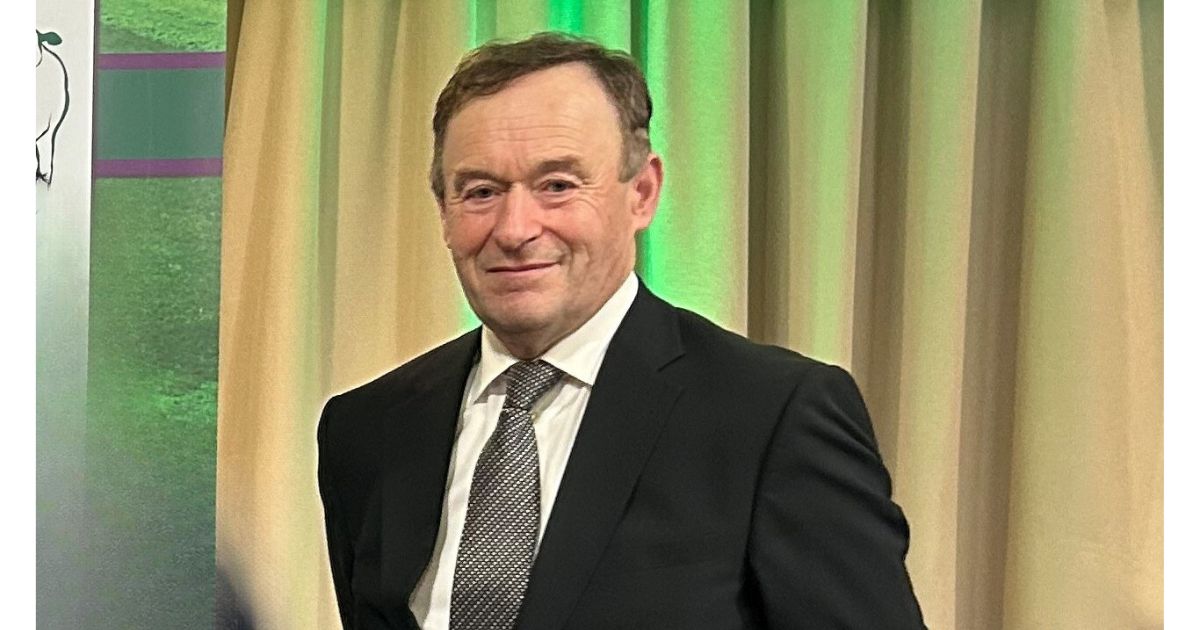
John Cleary
Chair
ICSA Beef Committee
Hailing from Kileenmore, Killeigh, in Co Offaly, John Cleary has been farming full time since the mid 1970’s running both dairy and beef enterprises.
John has been very involved with the ICSA for over twenty years holding down many roles within the organisation including that of national secretary and vice beef chair.
“In ICSA our priority is to address the dysfunctional relationship between farmers and factories. Real transparency around who makes what along the food chain must be delivered, and excess profiteering on the part of processors and retailers must be exposed.”
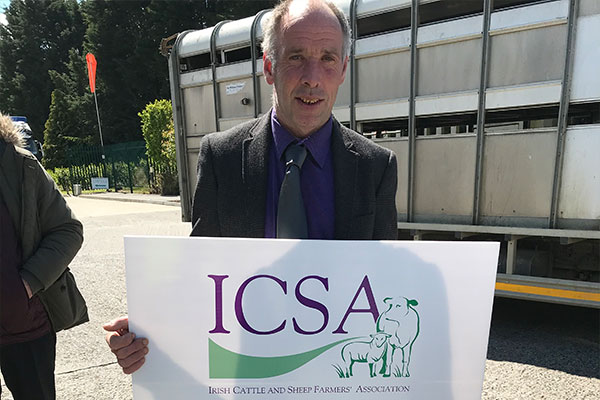
Sean McNamara
Chair
ICSA Sheep Committee
Farming in Lismacaffrey, Co. Westmeath, Sean McNamara is a sheep and suckler farmer.
“In my view, it’s all about family farm profitability. Family drystock farms must become profitable again, and our aim should be to at least achieve the average industrial wage. ICSA firmly believes that farmers should be paid a fair price for their produce and will not stand back as others profiteer massively at the expense of hard-working farmers.”
Sheep Sector
ICSA is committed to representing the interests of Irish sheep farmers in the strongest possible way at home and abroad. For many years, the national flock was in decline; we have seen recently that the fall has stopped. ICSA is now concerned that the sector be stabilised and made attractive to young, energetic farmers.
ICSA believes that Ireland needs to be careful that any increase in sheep production is in response to an increased demand on UK and European markets. We also want to see an end to the severe upper weight limits being imposed by the meat factories, which seriously erode sheep farmers’ profits.
Sheep exports were worth €479m in 2022, yet the sector is not receiving the attention it deserves and sheep farmers are fed up of being a political afterthought. The sector must be properly acknowledged, and the future viability of sheep farmers must be addressed.
Transparency along the food chain is also equally important for sheep farmers. We need to ensure that the newly apointed AgriFood Regulator has oversight over the trade in sheep meat, particularly when it comes to the huge volumes of lambs being imported into the country and the impact that it has on local farmers. We need to shine a light on who is making all the profit along the food chain, and why sheep farmers are not being paid enough to cover their cost of production.”
Not A Member Of ICSA Yet?
ICSA members can avail of €100 off, or enjoy a 10% discount on the cost of AXA Farm Insurance. Why not see what you can save?
Suckler Sector
The ICSA is dedicated to strongly representing the interests of Irish suckler farmers.
It is clear that a strong suckler sector, producing quality weanlings is crucial to a strong beef industry; ICSA believes suckler farmers need to be supported as much as possible to maintain the strength of the sector.
A strong beef price is vital to the success of the farmer selling weanlings; ICSA’s work to ensure a long-term, sustainable margin for beef producers is also key to the long-term viability of suckler farms.
ICSA is insistent that suckler beef must be developed and promoted as a unique high value product..
ICSA is hugely active in the area of knowledge transfer among suckler farmers. The Association regularly hosts suckler farm open days in various parts of the country, which attract large crowds and generate very positive feedback, both from an educational and social point of view.
We also keep our members informed of any changes to the terms of the SCEP and other suckler support schemes, and issue reminders of how to keep within the rules of the scheme to safeguard payment.
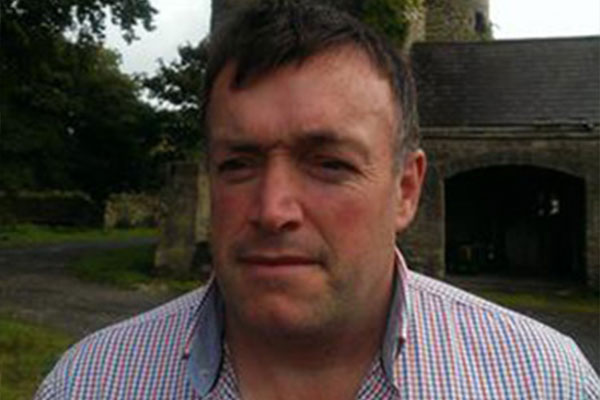
Jimmy Cosgrave
Chair
ICSA Suckler Committee
ICSA suckler chair Jimmy Cosgrave runs a suckler and sheep enterprise with his Australian-born wife Sarah and their three young children. His farm is located just outside the town of Enfield in County Meath..
“The priority for ICSA’s suckler committee is to ensure the schemes in CAP Pillar 2 deliver more support for suckler farmers and are matched with stronger national co-funding. In addition, ICSA wants to see a national policy devised for the international promotion of suckler beef as a niche product with the objective of increasing returns to producers.”
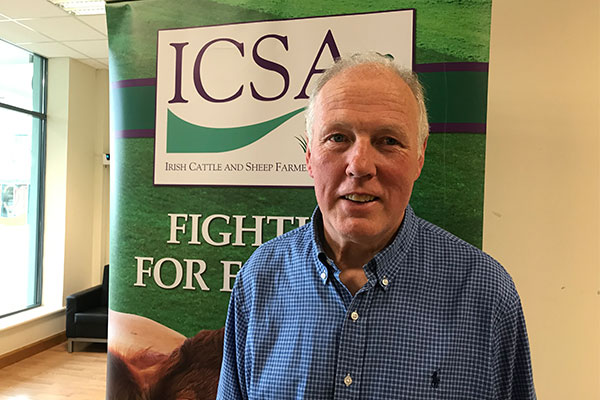
Tim Farrell
Chair
ICSA Rural Development Committee:
Hailing from Taughmaconnell, Co Roscommon Mr Farrell is a suckler farmer who believes passionately that rural communities should be a safe and viable place to live and prosper.
“It is important for ICSA to work for all our members and the communities in which they live. We listen to farmers concerns and address the real issues affecting their lives.”
Rural Development
ICSA is committed to furthering the cause of rural development in Ireland and giving a strong voice to the issues that affect rural dwellers across the country.
ICSA is fighting to ensure fair distribution of Pillar 2 funds through the Rural Development Programme – which includes ensuring it delivers money to farmers not professionals.
ICSA continues to say NO to unfair LPIS penalties. We firmly believe that no farmer should be penalised for maintaining land that had previously been told was eligible. ICSA is absolutely opposed to any five-year retrospective penalties and are currently involved in a legal challenge to such penalties.
ICSA’s Rural Development committee, under the direction of Mr Farrell, are also committed to tackling many issue facing rural communities on a daily basis including rural crime, mental health and rural isolation in farming and the financial pressures that are currently facing many farmers.
Animal Health & Welfare
.
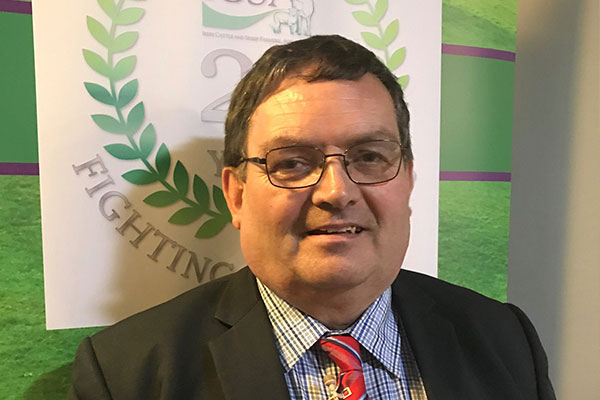
Hugh Farrell
Chair
ICSA Animal Health & Welfare Committee
Hugh Farrell is a suckler farmer from Ballyconnell, Co. Cavan.
“ICSA is there to be the voice of the farmer when crucial policies affecting their businesses are being formed. We believe consulting farmers on the ground is central to forming policies that are fair and workable.”
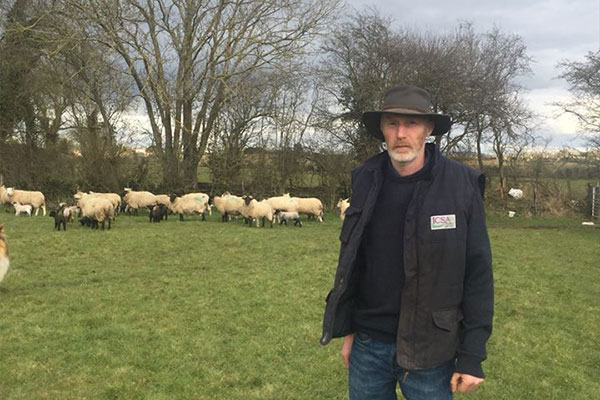
Fergal Byrne
Chairman
ICSA Organics Committee
Fergal Byrne is an organic suckler, sheep and tillage farmer from Calverstown, Co. Kildare. As well as being passionate about Organic farming, Fergal is also a founding menber of the Irish Wool Steering Group, which is aiming to reviatalise the Irish wool industry.
Organics
The Organics sector is set to benefit from significant investment over the course of the next CAP. However, we at ICSA believe that a strategy to significantly expand exports of Irish organic produce must be developed in tandem with the push to expand the sector. Such a strategy is required to ensure the proposed allocation of €256m to the sector as part of the next CAP does not go to waste.
ICSA has always argued for greater numbers of cattle and sheep farmers to be supported in switching over to organic farming. As a result of this investment more farmers than ever will have that opportunity, but to attract farmers to the Organics Scheme we must find markets for what they will produce.
When it comes to education and training, organic farmers and organic production systems have also been marginalised for far too long. If we are serious about expecting to find 6,500 new organic farmers to reach 7.5% of land under organics then Teagasc will have to allocate the necessary resources to the areas of organic research, training, and advice.
We also need to revisit some of the requirements attached to the Organics Scheme that can create barriers for those wishing to switch. In particular, ICSA wants to see changes made to the requirements around housing winter cattle so that housing on slats could be facilitated. Current organics regulations require a lie back area which is not available to many cattle farmers. This is a real impediment for many due to the scarcity of straw and massive cost associated to converting yards and sheds to suit the Organics Scheme. We also know that the high cost of organic ration already makes winter finishing very unattractive.
Tillage Sector
ICSA tillage chair Gavin Carberry has said rising fertiliser costs – associated with the unprecedented surge in natural gas prices in Europe – are set to batter tillage farmers and supports will have to be directed their way. “From fuel to fertiliser, all our costs have gone up substantially.
There is also no indication at present that these costs won’t spiral further out of control,” he said.
“The massive hikes in input costs shows how badly we need CAP supports to be directed at productive farmers. We must keep the pressure on to ensure that active farmers in the low-income sectors are the priority in the next CAP.”
Mr Carberry said while supports are necessary the price of commodities like grain and beef will also have to increase in line with these unsustainable input price hikes. “It is not feasible to expect farmers to absorb all these extra costs. We will simply be driven out of business.”
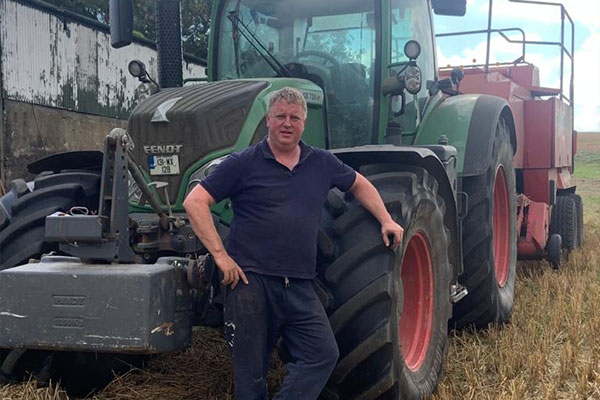
Gavin Carberry
Chairman
ICSA Tillage Committee
Gavin Carberry is a tillage farmer from Ardee in County Louth.
“ICSA is committed to supporting the lower income sectors of cattle, sheep and tillage. It is important that we work together and ensure CAP supports are diverted to these sectors – the ones that need them the most.”
Not A Member Of ICSA Yet? Join Us Now!
Be a member here at ICSA and enjoy these various discounts offered by our partners:
10% or €100 off the cost of AXA Farm Insurance for members of ICSA
2.5 Cent off Pump Prices at Participating Fuel Stations
10% Off Farm Equipment Marking Systems
€20 Off IAS Laboratories Soil/Silage/Water Testing